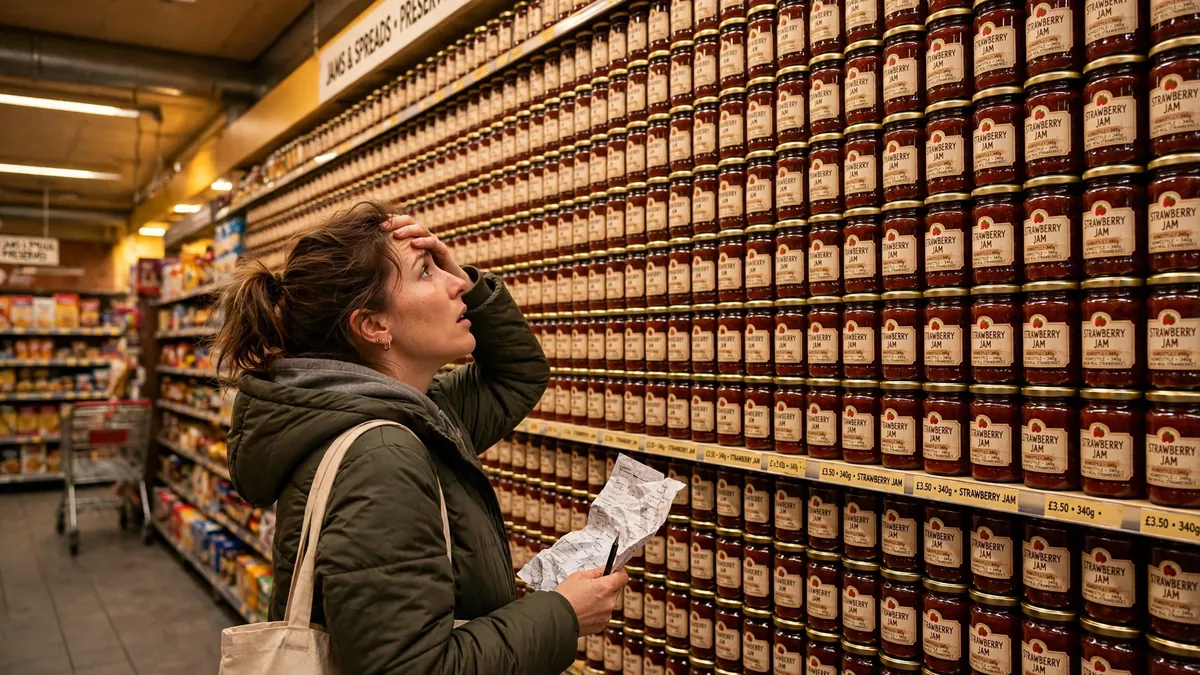
The Decision Lab updated its paradox of choice guide in October 2026, and the timing fits: modern life offers more options than any generation has faced, from streaming catalogs to supermarket aisles.
Here is what the paradox of choice is, the jam study behind it, and how to make choices you will feel good about.

What the Paradox of Choice Actually Is
The paradox of choice is the finding that more options can make you less happy, not more. Psychologist Barry Schwartz popularized it in his 2004 book The Paradox of Choice: Why More Is Less: while some choice is essential, an excess becomes a burden. Freedom does not keep rising with every option. Past a point, it falls.
The reason is simple: every option adds work. You compare more, worry more about missing the best one, and regret more after choosing. A world built to give you everything can leave you less satisfied with the one thing you pick. A clear summary is available in The Decision Lab’s guide to the paradox of choice.
The Jam Study That Started It All
The classic evidence comes from a California supermarket in 2000, where psychologists Sheena Iyengar and Mark Lepper offered tasters either 6 or 24 jam flavors. The big display drew more attention, but the small one sold far more jam.
About 30% of the 6-flavor group bought a jar, vs only about 3% of the 24-flavor group. More choice drew a crowd and killed the sale. The result is still quoted: ten times fewer options, ten times more buyers, as detailed in Yukaichou’s analysis of the paradox of choice.
The jam study is not about jam. It is about similar options, real stakes, and no expert shortcut. In those conditions, a bigger menu does not help you choose better. It helps you not choose at all.
Maximizers vs Satisficers
Schwartz found people fall into two camps, and the paradox hits one much harder. Satisficers pick the first option meeting their standard, then stop. Maximizers keep searching for the absolute best before they commit.
The surprise is that maximizers do not end up happier. Even when they choose better, they report less satisfaction and more regret, imagining the options they gave up. A satisficer enjoys the good enough jam. A maximizer wonders about the 23 jars left behind.
Most people are not pure types: the same person can satisfice on toothpaste and maximize on a house. The pattern costs most on big purchases, career moves, and anything compared afterward, where overthinking turns decisions into loops.
Why Too Many Options Hurt
Four mechanisms explain why abundance backfires, usually together.
- Decision fatigue: Every option costs mental energy, and a long session of choosing drains what you need for the next decision. By day’s end, even simple choices feel harder.
- Opportunity costs: Choosing one option means giving up the rest, and the more options there are, the more valuable the best forgone one feels. That loss quietly cuts your satisfaction with what you picked.
- Escalated expectations: Abundance raises the bar for a good outcome, so even a solid choice can disappoint next to the ideal you imagined. When everything is available, good enough starts to feel like failure.
- Self-blame: With endless options, a disappointing outcome feels like your fault, because you had every chance to choose better. Fewer options spread the blame; unlimited options concentrate it on you.
Together these four explain modern shopping, dating, and streaming: exhausted, unsure, and vaguely regretful, even after getting exactly what you asked for.
A Fair Note on What the Research Shows
The honest version is more careful: a 2010 meta-analysis of 50 experiments found the average effect of choice overload was near zero, so the paradox does not show up in every test. The jam result replicates in some settings and not others, as discussed in Neurolaunch’s guide to the paradox of choice.
The evidence supports a conditional version: overload is real when options are similar, stakes feel high, and you lack expertise, and weakens when options differ clearly or you know what you want. People defend their own findings too, and confirmation bias affects researchers as much as shoppers. The lesson survives: abundance is not automatically better, so limit it strategically.
How to Choose Better
The fix is not to avoid decisions. It is to decide how you will decide before options pile up. Set your standard in advance, including budget, must haves, and deal breakers. Once an option meets it, you are done.
Then shrink the field: compare three options instead of thirty, set a deadline, and stop researching once it passes. After choosing, close the tabs and skip the reviews. A bad outcome is information for next time, not proof you should have searched longer.
This is satisficing on purpose, a skill, not a compromise. The goal is not the perfect choice, which rarely exists, but a good choice made with energy intact, leaving you free to enjoy it.
Key Takeaways
- The paradox of choice says more options can reduce satisfaction: the jam study found 30% bought with 6 flavors vs 3% with 24.
- Satisficers pick the first good enough option and stop; maximizers search exhaustively and report more regret even with better outcomes.
- Four mechanisms drive the effect: decision fatigue, opportunity costs, escalated expectations, and self-blame.
- The research is conditional: a 2010 meta-analysis found a near zero average effect, so overload bites hardest with similar options, high stakes, and low expertise.
Frequently Asked Questions
What is the paradox of choice in simple terms?
Beyond a point, more options make you less likely to choose and less happy with what you choose. Barry Schwartz popularized it in his 2004 book: abundance adds work, regret, and self-blame to every decision.
What is the jam study?
In 2000, Iyengar and Lepper offered shoppers 6 or 24 jam flavors. About 30% of the 6-flavor group bought a jar, vs only about 3% of the 24-flavor group. More choice drew attention but sharply reduced buying.
What is the difference between a maximizer and a satisficer?
A satisficer picks the first option meeting a good enough standard and stops. A maximizer keeps comparing alternatives for the absolute best, and reports less satisfaction and more regret, even with better outcomes.
How do I stop overthinking every decision?
Set your good enough standard before you search, compare at most three options, set a deadline, and stop researching once it passes. After choosing, close the tabs and skip the reviews, so comparison cannot turn into regret.
Final Thoughts
More choice was supposed to set you free, and in small doses it does. Past a point, every extra option taxes your time, energy, and satisfaction. The happiest deciders rarely searched longest. They knew what good enough looked like and stopped there.
Call to Action
If this helped you make peace with a decision you have been putting off, share it with someone still comparing a twentieth option. Explore the Aziz Publishing Knowledge Library for more guides on psychology, including the spotlight effect and how to beat procrastination with psychology.

