Some habits change one thing. A few change everything. Keystone habits are the small routines that set off a chain reaction across your life, and finding yours may matter more than adding ten ordinary habits. Here is what keystone habits are, why they work, and how to find the one that starts your own chain reaction.
What Keystone Habits Actually Are
A keystone habit is a habit that triggers a chain of other positive changes. The term comes from Charles Duhigg, the journalist and author of The Power of Habit, published in 2012. Duhigg argues that not all habits are equal. Some habits matter far more than others because changing them spills over into areas of life that seem unrelated.
Exercise is the classic example. People who start exercising regularly often begin eating better, sleeping more consistently, smoking less, and procrastinating less at work, without consciously deciding to change any of those things. The exercise did not directly cause each change. It started a chain reaction that made the other changes easier, as described in a 2026 summary of The Power of Habit.
The name comes from architecture. A keystone is the wedge shaped stone at the top of an arch that locks all the other stones in place. Remove it and the arch falls. In the same way, a keystone habit holds a whole pattern of behaviour together, and changing it shifts everything around it.
Why One Habit Can Change Everything
Keystone habits work through two mechanisms. The first is small wins. A keystone habit creates a small, visible victory, and that victory proves to you that change is possible. Once you believe you can change one thing, you start believing you can change the next thing too. The wins build on each other.
The second mechanism is identity. When you exercise regularly, your brain starts to see you as a disciplined person, or even as an athlete. That new self-image changes decisions you never connected to exercise. You choose the salad because that is what a disciplined person does. You skip the late night scrolling because an athlete needs sleep. The habit changes who you think you are, and the identity changes everything else, as explained in a 2026 masterclass on Duhigg’s science of habit change.
This is why keystone habits beat willpower as a strategy. Willpower is limited and tiring. A keystone habit, once it is automatic, keeps producing change without daily effort, because it runs on the same cue routine reward loop that every habit uses, as covered in the habit loop explained.
The Alcoa Story: One Rule That Changed a Company
The most famous keystone habit story comes from a company, not a person. When Paul O’Neill became CEO of the aluminum giant Alcoa in 1987, investors expected him to talk about profits. Instead he announced that his one priority was worker safety, and that he wanted zero injuries.
It sounded like a strange business strategy. But safety turned out to be a keystone habit for the whole organisation. To make the workplace safer, Alcoa had to improve communication, because accidents had to be reported within 24 hours. Better communication exposed broken processes. Fixing those processes improved quality and efficiency. Within a year of O’Neill taking over, Alcoa’s profits hit a record high, and the company’s market value grew fivefold during his tenure.
The lesson is that a keystone habit does not need to look like the goal. O’Neill did not target profits. He targeted the one habit that would force everything else to improve. The same logic works in a personal life: you do not target ten changes, you target the one habit that drags the other ten along with it.
Three Keystone Habits Worth Trying
Research and real world stories point to a short list of habits that reliably act as keystones for most people. Any of them can be a starting point, and the best one is the one you will actually do.
- Regular exercise: The most studied keystone habit. People who start moving regularly tend to eat better, sleep better, use credit cards less, and feel more patient with their families. Even a short daily walk counts. The effect comes from the identity shift, not the intensity.
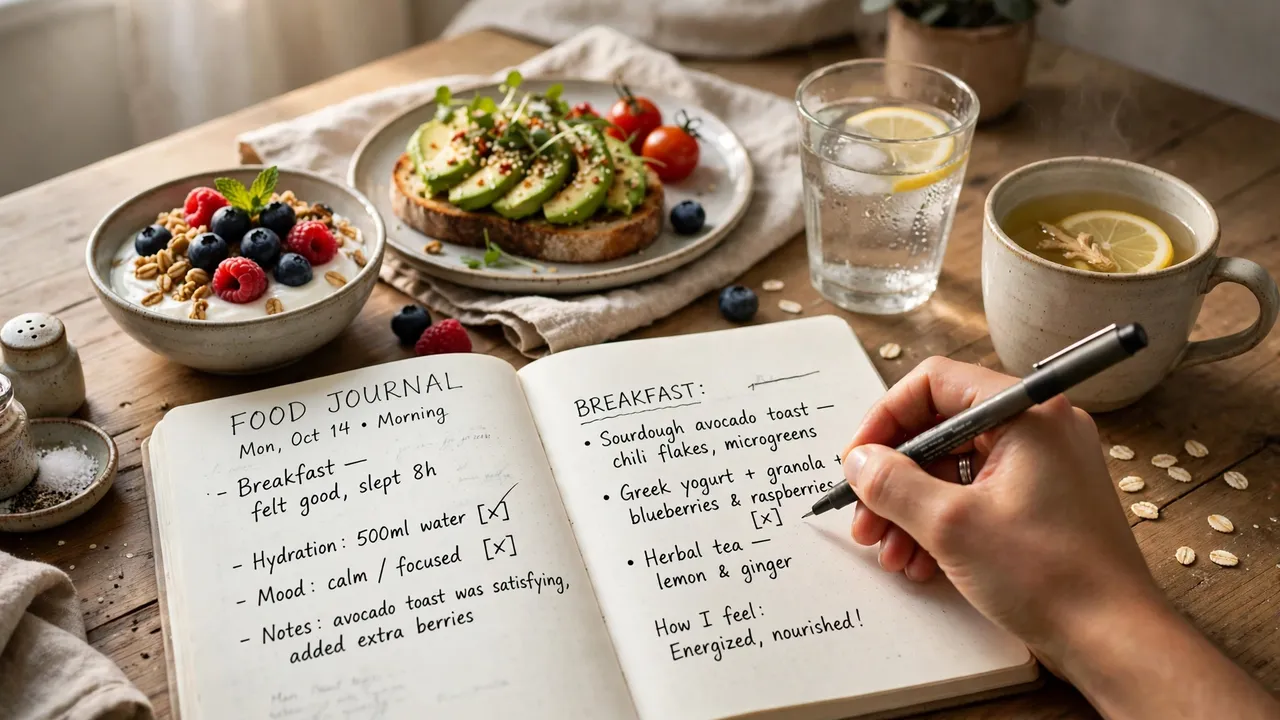
- Keeping a food journal: In a 2009 study of 1,600 obese people, writing down everything eaten at least one day a week was the keystone habit that led to an avalanche of lifestyle changes. People noticed patterns, like afternoon sugar after lunch, and fixed them without being told to. The journal made the invisible visible.
- A morning routine: How you start the day shapes how the rest of it goes. A simple morning routine, waking at the same time, moving your body, and planning the day before the phone takes over, sets a proactive tone that carries into work, eating, and mood. It is the keystone habit that protects all the others.
- Tracking one number: Writing down a single daily number, steps walked, pages read, or money spent, creates awareness that quietly changes behaviour. The number itself matters less than the act of paying attention, and attention is what makes every other habit easier to build.
Notice what these habits share. Each one is simple, repeatable, and visible. None of them requires motivation every day, because once the routine is set, it runs on autopilot. That is what makes a keystone habit different from a goal, as explained in why small daily habits matter more than big goals.
Willpower Is a Keystone Habit Too
Duhigg singles out one keystone habit as especially important: willpower itself. Research he draws on describes willpower as behaving like a muscle. It can be strengthened through practice, but it also tires with use, so a day of resisting temptations leaves less self-control for the evening.
The practical trick is to make willpower habitual instead of relying on it in the moment. Starbucks did exactly this. The company trained staff in a willpower routine for difficult customers, the LATTE method: Listen, Acknowledge, Take action, Thank, Explain. Employees rehearsed the routine until it was automatic, so they did not need fresh willpower for every angry customer. The routine became a keystone habit for customer service across the company.
You can do the same in your own life. Decide in advance how you will respond to your hardest moment, the evening craving, the stressful meeting, the skipped workout. When the moment comes, you follow the plan instead of deciding under pressure. Planning in advance is what turns willpower from a draining resource into a reliable habit, as explored in a 2026 guide to finding your own keystone habits.
How to Find Your Own Keystone Habit
Finding your keystone habit starts with looking for the habit that already pulls other behaviours along with it. Think about a time you changed one thing and several other things changed too. That is your evidence. If nothing comes to mind, run a small experiment instead of a big plan.
Pick one candidate from the list above and try it for two weeks. Track what else changes, not just the habit itself. Did your sleep improve when you walked daily? Did your spending drop when you tracked it? Did your mood lift when you fixed your mornings? The spillover is the signal. If nothing spills over, try a different candidate.
Start small on purpose. A keystone habit does not need to be impressive. Ten minutes of walking beats an ambitious gym plan you quit in a week, because the chain reaction only starts if the habit survives. Small wins are the fuel, and a habit you keep is worth more than a habit you admire.
- Keystone habits are the few habits that trigger a chain of other positive changes, through small wins and a new self-image.
- Charles Duhigg introduced the idea in The Power of Habit (2012). Exercise is the classic example: people who start moving often eat better, sleep better, and procrastinate less without deciding to.
- Paul O’Neill turned Alcoa around by focusing on one keystone habit, worker safety, which forced better communication and processes and lifted profits to record highs.
- In a 2009 study of 1,600 people, keeping a food journal at least one day a week was the keystone habit that led to an avalanche of lifestyle changes.
- Willpower is itself a keystone habit and behaves like a muscle. Decide your response in advance so the hard moment runs on a plan, not on fresh willpower.
- Find yours by testing one candidate for two weeks and watching what else changes. The spillover is the signal.
Frequently Asked Questions
What are keystone habits?
Keystone habits are habits that trigger a chain reaction of other positive changes. Charles Duhigg introduced the term in The Power of Habit (2012). Exercise is the classic example: people who start exercising regularly often begin eating better, sleeping better, and procrastinate less, without consciously deciding to change those things.
How do I find my keystone habit?
Look for a habit that already pulls other behaviours along with it, or test one candidate for two weeks and watch what else changes. Exercise, keeping a food journal, a morning routine, and tracking one number are the most reliable starting points. The spillover into unrelated areas is the signal you have found one.
Are keystone habits the same as atomic habits?
No. Atomic habits are small habits that compound over time. Keystone habits are the few habits that cause other habits to change. A keystone habit can be small, but what makes it special is the cascade it triggers, not its size.
Can a company have a keystone habit?
Yes. When Paul O’Neill became CEO of Alcoa, he focused the whole company on worker safety. That single focus forced better communication and better processes, which improved quality and profits. Safety was the keystone habit that rewired the organisation.
Final Thoughts
You do not need ten new habits. You need one habit that changes the rest. Pick the smallest keystone habit you will actually keep, give it two weeks, and watch what follows it. The chain reaction is the point, and it usually starts smaller than you expect.
Call to Action
If this guide helped you spot the one habit that could change the rest, share it with someone who keeps trying to change everything at once. Explore the Aziz Publishing Knowledge Library for more guides on habits, including atomic habits explained and 7 morning habits for focus, discipline, and productivity.