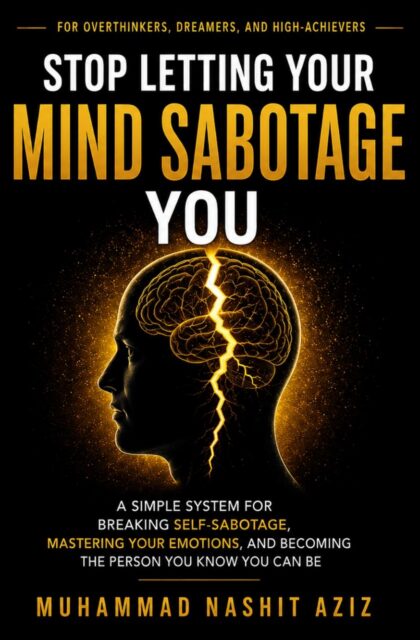
Ever met someone brilliant who still can’t seem to move their life forward? Chances are, it’s not a lack of intelligence holding them back. It’s something quieter and far trickier: the high-functioning ego.
What Is a High-Functioning Ego?
A high-functioning ego shows up in people who are capable, accomplished, and self-aware, yet still resistant to real change. It’s not about arrogance or obvious self-importance, it’s subtler than that. This type of ego protects identity so effectively that growth often feels threatening rather than exciting.
Why Intelligence Doesn’t Guarantee Growth
Smart people often assume that understanding a problem intellectually means they’ve already solved it. This creates a dangerous illusion where insight replaces actual behavioral change. Knowing why you procrastinate, for example, doesn’t automatically stop you from doing it.
30 Habit Stacking Examples You Can Copy Today
The Comfort of Being “The Smart One”
Many high-functioning individuals build their identity around being knowledgeable, capable, or always having the right answer. Admitting confusion, failure, or the need for help can feel like a direct threat to that identity. This fear quietly keeps people avoiding situations where they might not immediately excel.
Overthinking as a Disguised Form of Avoidance
Smart people are excellent at analyzing problems from every possible angle, sometimes to their own detriment. This constant analysis can masquerade as productivity while actually delaying meaningful action indefinitely. The ego feels safe in thinking, since thinking rarely risks failure the way doing does.
Perfectionism Rooted in Self-Image
High achievers often set unrealistic standards, not out of ambition alone, but to protect a carefully built self-image. Falling short of these standards feels less like a normal setback and more like a personal identity crisis. This pressure frequently leads to procrastination, burnout, or avoiding challenges altogether.
Why Feedback Feels So Threatening
People with a high-functioning ego often struggle to receive criticism, even when it’s constructive and well-intentioned. Feedback can feel like an attack on competence rather than useful information for improvement. This defensive reaction often closes doors to growth that would otherwise come naturally.
Success Can Reinforce the Problem
Past achievements can ironically make this pattern worse, since success reinforces the belief that current strategies always work. This makes it harder to recognize when old approaches no longer serve new goals or circumstances. The ego clings to what worked before, even when it’s clearly no longer effective.
What Is Zero-Sum Thinking and How to Overcome It
Breaking Free From the Pattern
Overcoming a high-functioning ego starts with separating self-worth from constant achievement or being right. Practicing genuine vulnerability, seeking honest feedback, and tolerating discomfort are essential steps toward real growth. This shift doesn’t happen overnight, but small, consistent efforts can gradually loosen the ego’s grip.
Final Thoughts
The high-functioning ego is a subtle but powerful force that keeps intelligent, capable people stuck despite their obvious potential. Recognizing this pattern is often the first and most important step toward meaningful personal growth. True progress comes not from proving how much you already know, but from staying open to what you still need to learn.
Call to Action
Do you recognize any of these patterns in yourself? Share this article with someone who might relate, and let us know your thoughts in the comments below. Continue exploring the Aziz Publishing Knowledge Library for evidence-based articles on psychology, mindset, habits, productivity, and emotional well-being. The more you understand how your mind works, the more intentionally you can shape the way you think, decide, and live.