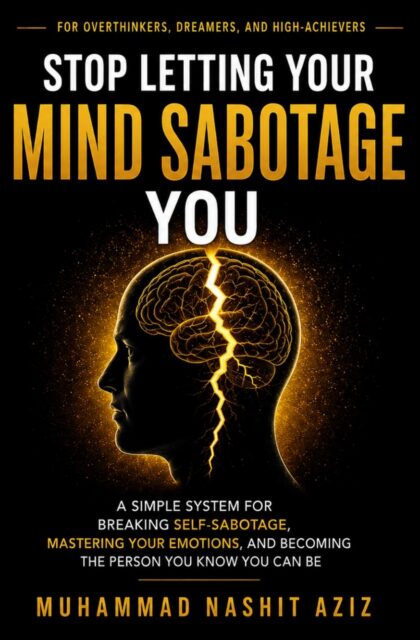
Ever start a nonfiction book excited, only to abandon it halfway through? You’re definitely not alone, most readers don’t finish most books. The good news is that writing a book people actually complete comes down to a few key principles.
Start With a Clear, Specific Promise
Readers finish books that deliver exactly what they were promised from the very beginning. A vague or overly broad topic often loses readers who expected something more focused. Clearly defining your book’s core promise upfront helps guide both your writing and your reader’s expectations.
Structure Your Book Around One Central Idea
Books that wander between too many unrelated ideas often feel disjointed and hard to follow. Organizing your content around a single, clear central idea keeps readers oriented throughout the entire book. Every chapter should clearly connect back to that core concept in some meaningful way.
The Best AI Tools That Can Save You Hours Every Week
Write Shorter Chapters Than You Think You Need
Long, dense chapters can feel overwhelming and make readers more likely to put a book down. Shorter chapters create natural stopping points that feel manageable rather than exhausting. This structure encourages readers to keep going, since finishing “just one more chapter” feels achievable.
Use Stories to Illustrate Every Major Point
Pure information without context or narrative can feel dry and difficult to stay engaged with. Weaving in real examples, anecdotes, or case studies makes abstract ideas feel concrete and memorable. Readers consistently finish books that balance solid information with genuinely engaging storytelling.
Avoid Repeating the Same Point Too Often
Nonfiction writers sometimes over-explain the same idea multiple times out of fear readers won’t fully understand it. This repetition often has the opposite effect, causing readers to lose interest and skim ahead. Trusting your reader’s intelligence and moving the book forward keeps engagement consistently high.
Create Momentum With Clear Transitions
Abrupt shifts between chapters or sections can disrupt a reader’s flow and make the book feel disjointed. Smooth transitions that connect one idea to the next help maintain reading momentum throughout the book. This small structural detail significantly impacts whether readers keep turning pages.
Atomic Habits Explained: The Science Behind Lasting Change
End Each Chapter With a Reason to Continue
Chapters that end on a flat, conclusive note make it easier for readers to stop and not pick the book back up. Ending with a compelling question, insight, or teaser for what’s next encourages continued reading. This technique, borrowed from fiction writing, works remarkably well in nonfiction too.
Edit Ruthlessly for Clarity and Pace
Many first drafts contain unnecessary tangents, redundant explanations, or overly complex language that slows readers down. Editing ruthlessly for clarity and pacing dramatically improves the overall reading experience. A tightly edited book almost always outperforms a longer, unedited one in terms of reader completion rates.
Final Thoughts
Writing a nonfiction book people actually finish comes down to clear structure, engaging storytelling, and disciplined editing. Focusing on one central idea and maintaining steady momentum throughout keeps readers genuinely invested. By applying these principles, your book becomes far more likely to be read cover to cover, not just purchased and shelved.
Call to Action
Are you currently working on a nonfiction book? Share this article with someone tackling their first draft, and drop your thoughts in the comments below. Explore the Aziz Publishing Knowledge Library for practical guides on writing & self-publishing, book marketing, productivity, and building a sustainable career as an independent author.